Reducing infection
risk is crucial for the prevention of complications and the promotion of faster wound healing.4,5

You have successfully logged out.


Not registered yet?
Effective wound care
While biofilm on wounds remains a critical barrier to recovery1, reducing the burden of wound infection, implementing prevention strategies, and accelerating wound healing are crucial components of clinical practice.2

This information is meant for medical professionals only. Please confirm that you are a medical professional before accessing this information.
Confirm Yes, I am a health care professional. Cancel No, I am not a health care professional.Today, effective and modern wound care means more than just targeting biofilm prevention and treatment. It means delivering measurable outcomes: fewer dressing changes, less pain, and faster return to function. As part of this, understanding how to optimally conduct therapeutic wound cleansing is essential to improving patient care.3
The solution that helps cleanse, debride and protect against infection.
risk is crucial for the prevention of complications and the promotion of faster wound healing.4,5
the risk of infections, providing a safer healing environment for patients.6-9

From 40% to 3% reduction of infection.7
How is Prontosan better than saline? Prontosan® Wound Irrigation Solution vs. saline. Effect of a wound cleansing solution on wound bed preparation and inflammation in chronic wounds: a single-blind RCT.
Download hereof dressing changes increases patient comfort and save costs.10,11
can lead to a reduction in the frequency of dressing changes, making wound management more convenient.12

55% reduction in dressing changes.12
allow patients to return to their daily activities sooner, enhancing overall well-being.
that chronic wounds treated with Prontosan® heal significantly faster than with saline alone.7,13,14,15

4 weeks faster healing times.6
and odor improves patient comfort and quality of life.
reduces wound-related pain16-19 and odor16, improving patient mobility and socializing.
is vital for preventing infections and promoting healthy tissue regeneration.
debris, slough, and biofilm, ensuring a clean wound bed which is essential for healing12,13,16,17,18,20.
are essential for healthcare systems to manage resources efficiently.
overall healthcare expenses by preventing infections and shortening healing times.21,22

Cost reduction when compared to saline.21
Improved recovery
Effective wound care does more than protect against biofilm — it plays a key role in helping patients heal faster, feel more comfortable, and regain their independence. When wounds are cleaned thoroughly and consistently, the risk of complications decreases, recovery times improve, and patients can return to their daily lives with greater confidence and less reliance on ongoing care.

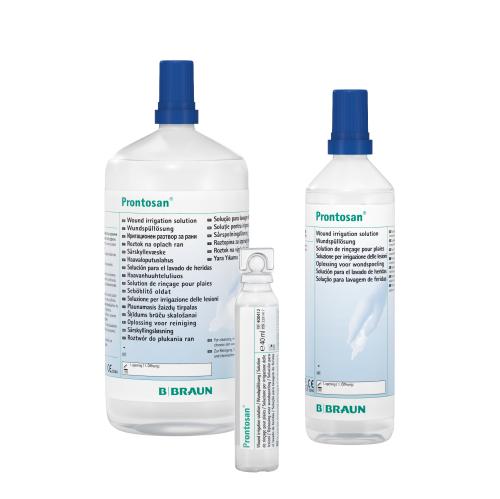
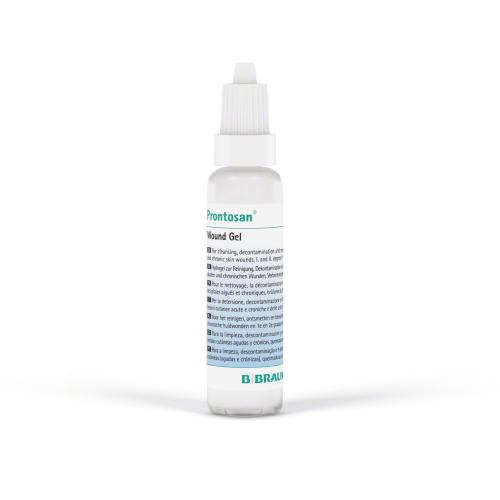
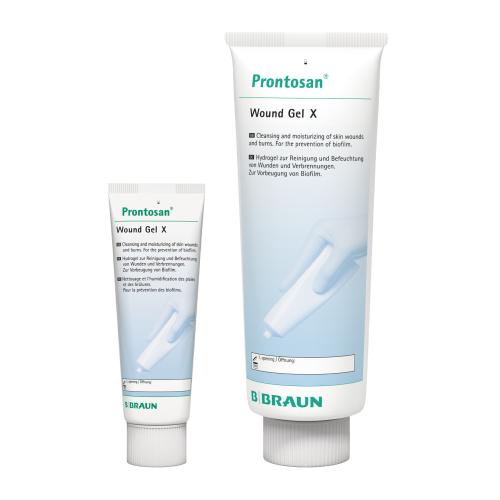
Prontosan® Wound Bed Preparation System
Wound bed preparation with the Prontosan® System mobilizes synergistic ingredients to perform a more effective cleansing than the use of saline or water alone.6,7,16,23,24

Prontosan family
A responsible contact person will get in touch with you as soon as possible.